How a Technology Advisor Becomes Your Fractional CIO
Most small and mid-size businesses don't need — or can't afford — a full-time Chief Information Officer. But they absolutely need CIO-level thinking. A fractional CIO through an MSP like EZETech gives you access to senior technology leadership at a fraction of the cost, acting as your dedicated IT consultant in Port St. Lucie.
What Is a Fractional CIO?
A fractional CIO is a senior technology executive who serves your organization on a part-time or as-needed basis. Unlike a traditional CIO who is a full-time employee, a fractional CIO provides strategic guidance, vendor oversight, technology roadmapping, and executive-level IT decision support — without the six-figure salary.
What a Technology Advisor Does for Your Business
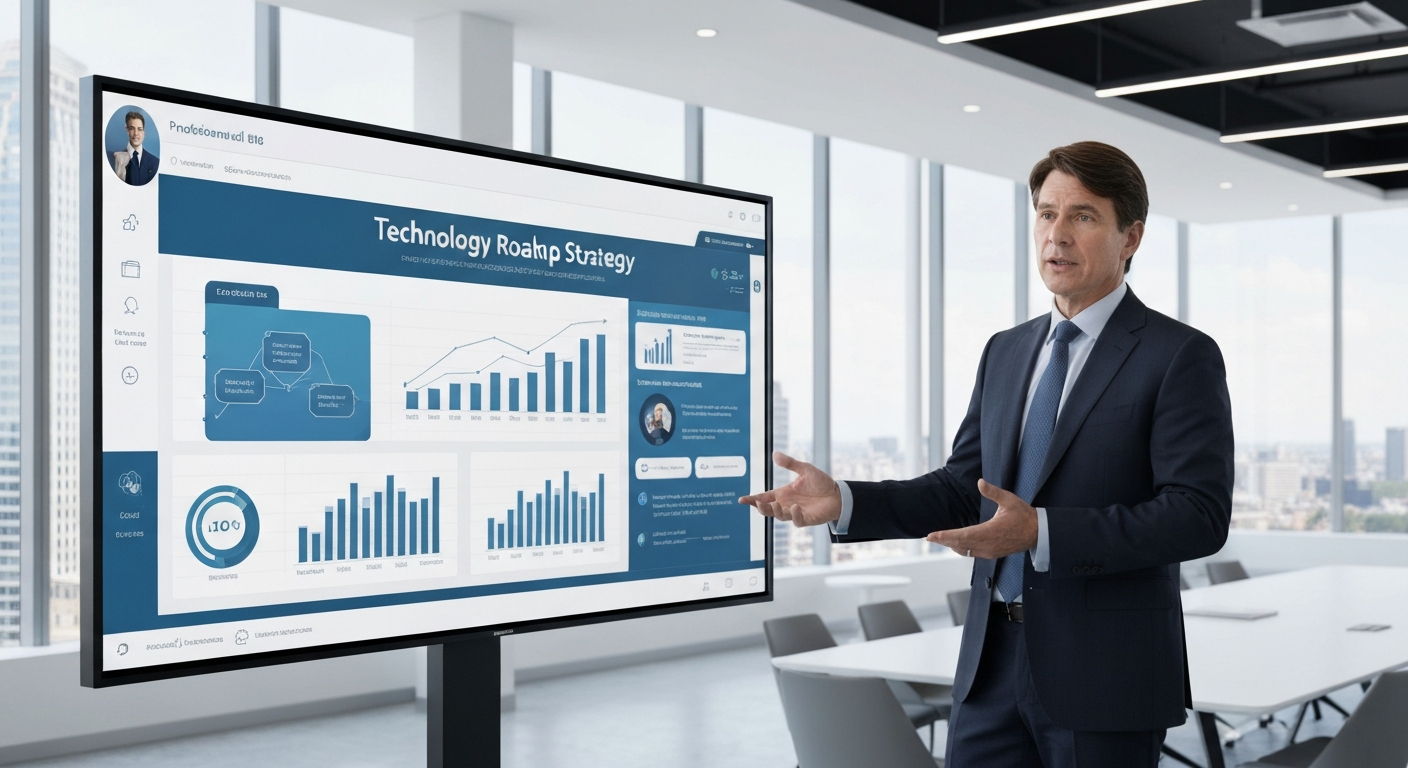
- IT Strategy & Roadmapping – Develop a 1-3 year technology plan aligned with your business objectives.
- Budget Planning – Build a realistic, prioritized IT budget that maximizes return on investment.
- Vendor Selection – Evaluate and select the right software, hardware, and service providers.
- Security Governance – Ensure your cybersecurity posture meets industry standards and compliance requirements.
- Digital Transformation – Guide the adoption of new technologies to improve efficiency and competitive position.
- Board & Executive Communication – Translate technical issues into business language for leadership decisions.
- M&A Due Diligence – Assess the technology environment of potential acquisition targets.
⚡ The Strategic Gap: Most businesses make technology decisions reactively — buying software when the old one breaks, upgrading hardware only when it fails. A fractional CIO introduces proactive, strategic thinking that saves money and accelerates growth.
When Do You Need a Technology Advisor?
- Your technology feels like it is holding your business back rather than enabling it.
- You are planning significant growth, a new location, or an acquisition.
- You are facing regulatory compliance requirements (HIPAA, PCI-DSS, SOC 2).
- Your IT spending feels out of control with no clear ROI.
- You are making major software or infrastructure decisions without a clear framework.
"The businesses that thrive in the next decade will be the ones that used technology as a strategic advantage — not just as a cost center."